
The Ultimate Guide to Protecting Your TV by the Pool
Posted by Emilyann Allen on 21st May 2026
Ultimate Guide to Protecting a TV by the Pool | The TV Shield
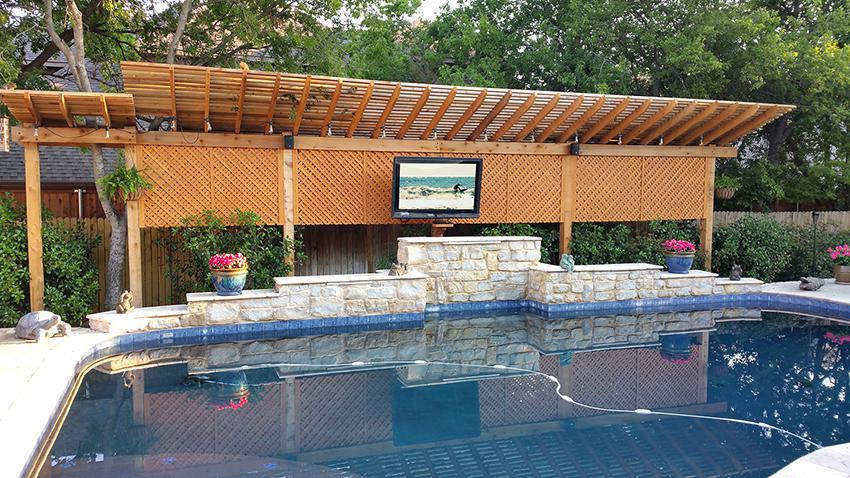
Setting up a TV by the pool sounds like the dream setup for summer. Whether you are hosting game day cookouts, planning family movie nights under the stars, or upgrading your backyard for effortless weekend lounging, adding a TV near the water transforms any pool area into a resort-style escape.
There is only one catch. Electronics and splashing kids do not get along. Between humidity, chlorine, storms and cannonballs, a TV by the pool faces hazards that can easily ruin your investment. This guide breaks down what you need to know before mounting a TV outdoors, how to protect it properly, and where a weather-resistant enclosure like The TV Shield can make all the difference.
Table of Contents
- Why People Want a TV by the Pool
- The Hazards Poolside TVs Face
- Choosing the Right TV for Outdoor Viewing
- Why a TV Enclosure Is Essential by the Pool
- Introducing The TV Shield
- Installation Tips for Poolside TV Setups
- Ongoing Maintenance and Care
- FAQs
Why People Want a TV by the Pool
A poolside TV brings together everything people love about outdoor living. You can follow the game while grilling, keep the kids entertained, or unwind with your favorite shows after work. It adds comfort, convenience and a little touch of luxury without a huge remodel.
For homeowners who entertain often, it becomes the centerpiece of the backyard. It creates a destination where guests want to gather, and it encourages families to spend more quality time outdoors instead of inside staring at separate screens.
The Hazards Poolside TVs Face
Here is the tough truth. A regular indoor TV was never made for poolside life. Even if it looks safe under a covered patio, the pool environment brings risks that go far beyond normal outdoor exposure.
The biggest threats include:
- Water and splashes: Cannonballs, pool toys, cleaning hoses and unexpected storms can send water directly into the screen or internal components.
- Humidity: Persistent moisture leads to fogging, internal condensation, and early component failure.
- Chlorine and salt exposure: Pool chemicals can corrode metal parts and degrade sensitive electronics.
- Heat and UV rays: Direct sunlight can warp screens, damage plastic casings, and cause TV overheating.
- Wind and debris: Dust, pollen, insects and windblown leaves often end up inside unprotected units.
- Electrical safety concerns: Water increases the risk of shock and short circuiting if a TV is not properly protected.
Even expensive indoor TVs marketed as somewhat durable cannot handle these environments reliably. It only takes one splash or one humid week to break them down.
Choosing the Right TV for Outdoor Viewing
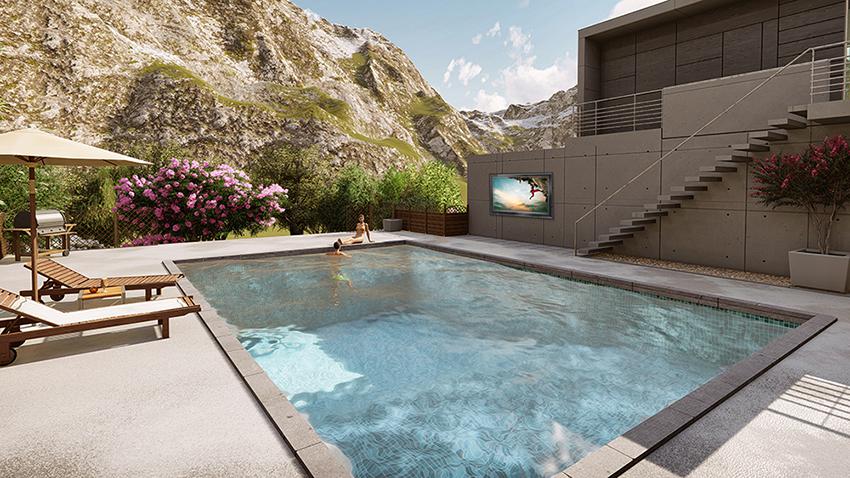
If you plan to place your TV directly near the pool, start by selecting the right type. You do not always need a full outdoor rated television (you can select an indoor TV and pair it with an enclosure like The TV Shield), but you do need to consider brightness, mounting location, and durability.
Key things to look for:
- High brightness level options for sunlit environments
- LED or QLED screen types may handle higher levels of lighting better
- Lightweight units that work well with protective enclosures
- A TV that fits in the size protective TV enclosure you're considering
Most homeowners choose a standard indoor TV because it keeps costs down. This works perfectly well when paired with a quality outdoor enclosure.
Why a TV Enclosure Is Essential by the Pool
Putting a TV outdoors, especially near water, creates a unique set of challenges that indoor electronics are not built to handle. Pool areas expose your TV to constant moisture, splashes, humidity, and even sudden weather changes. A regular TV that works perfectly indoors can easily fail within weeks when placed near a pool because the internal components are not designed to withstand these conditions. This is where a proper outdoor TV enclosure becomes absolutely essential.
A TV enclosure adds a sealed layer of protection that shields your screen from rain, pool water, accidental splashes, and the moisture that naturally forms in humid environments. Even if your pool area is covered, humidity alone can corrode internal components, damage wiring, or cause the screen to fog. An enclosure prevents this by maintaining a controlled internal environment that keeps moisture out while still allowing the TV to operate at a safe temperature.
Physical safety is another major benefit. Pool areas are active spaces where people play, move around, and sometimes bump into things. A stray ball, towel, or even a slip near the TV can crack or shatter an unprotected screen. A sturdy enclosure creates a protective barrier that absorbs impact and prevents costly damage. This lets you enjoy entertainment by the pool without worrying about an accident cutting the fun short.
Introducing The TV Shield
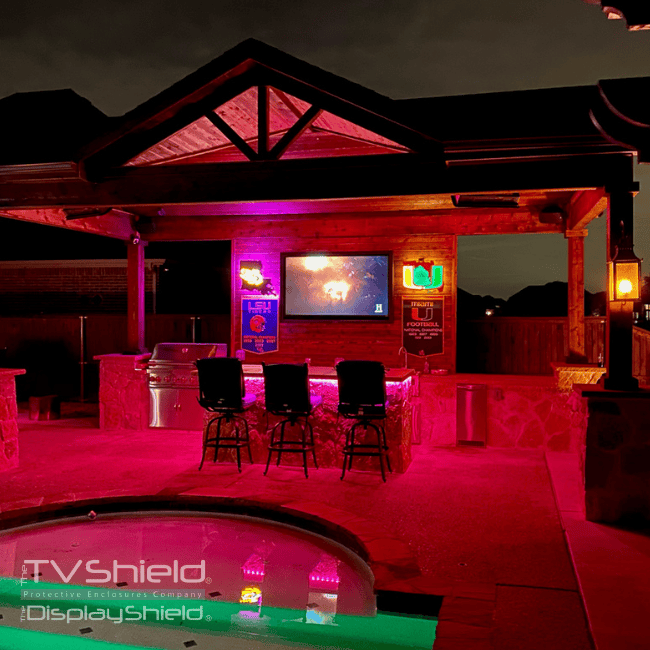
When it comes to protecting a TV by the pool, The TV Shield is one of the most trusted solutions. It is a weather resistant, shatterproof, lockable enclosure that gives your TV a true layer of protection without sacrificing picture quality.
Key benefits:
- Designed for both indoor and outdoor use
- Waterproof and UV resistant
- Strong front shield that protects against impact (shatterproof)
- Lockable to prevent damage or tampering
- Available in multiple sizes to fit most TVs
- Helps the TV run at ideal temperatures and last longer (thermostatic fan and heather options)
For pool environments, a backyard TV enclosure like The TV Shield or The TV Shield PRO is often the only reason an indoor TV survives more than one season. Homeowners love that it lets them use an affordable TV model and still enjoy the safety and performance of a full outdoor setup. Some other devices like ROKU sticks may fit in the enclosure as well.
Installation Tips for Poolside TV Setups
To get the best viewing experience and the longest lifespan from your outdoor TV, follow these practical installation tips:
Choose the right mounting location
- Do not try to submerge the TV enclosure in water (it is waterproof not water-submergable).
- Avoid mounting it where sunlight hits the screen aggressively or utilize these tips for handling glare.
- Ensure there is enough clearance for airflow behind the enclosure.
Pick the proper mount
- Use a mount labeled for outdoor use.
- Stainless steel or corrosion-resistant hardware is ideal.
Manage cables safely
- Use weatherproof conduit or covers.
- Keep all electrical connections off the ground.
- Hire a licensed electrician if unsure about safety compliance.
Test viewing angles
- Sit in your favorite poolside spots and check the picture before drilling into walls.
Ongoing Maintenance and Care
Even with a protective enclosure, it is helpful to maintain your setup regularly.
Suggested care routine:
- Wipe down the enclosure as needed to remove dust and chemicals from pool water.
- Inspect seals and latches as needed to ensure a proper protective fit (frequency depends on environment... maybe monthly or quarterly).
- Check for condensation inside the enclosure and add silica gel packs if needed.
- Rinse off chlorine mist after heavy pool use or windy days.
- Inspect mounts, hardware, and your setup in general seasonally or at least twice a year for rust or looseness.
A little upkeep can add years to your TV's life.
FAQs
Can I put a regular indoor TV outside if it is on a covered patio?
You can, but it is still risky. Even on a patio, depending on the location, TVs may face humidity, dust, airborne pool chemicals, sun exposure, bugs or critters messing with wires, and the occasional splash from cannonball contests. Indoor TVs were never designed for outdoors, so they can overheat quickly in warm climates and can fog up or get damaged in cooler ones. A weatherproof TV enclosure like The TV Shield gives you the freedom to use a standard TV outdoors while keeping it safe from moisture, debris, heat buildup, and more.
How waterproof is a TV enclosure?
This depends on the model, but The TV Shield is engineered to be waterproof and known to withstand hurriance level rains (it is not water-submergable). It is built to handle everything from rain to poolside splashes. The front panel seals securely, the enclosure seals and grommets prevent water intrusion. The filtered vents prevent water damage while managing airflow, and the entire unit is designed to keep electronics dry in backyard environments. While you shouldn’t submerge it or directly power-wash entry spots like the fans, it provides far more protection than any TV left exposed and keeps TVs dry in rainy areas globally.
Will chlorine or saltwater damage my outdoor TV setup?
Yes, absolutely. Chlorine and saltwater are both corrosive, especially in areas where water evaporates and leaves behind chemical residue. Over time these particles seep into buttons, ports, and internal components. A poolside indoor or low-level durability outdoor TV without protection will often fail months or even years earlier than expected. The right enclosure blocks corrosive moisture, keeps residue off the screen, and allows your TV to last far longer.
How do I prevent glare on my outdoor TV when it is near the pool?
Glare is one of the most common complaints from poolside TV owners because water reflects sunlight like a giant mirror. The solution starts with placement. A north-facing wall or shaded structure reduces direct sun exposure. Pairing this with an enclosure that offers anti-glare or anti-reflective front panels gives a clearer, brighter picture throughout the day. Some homeowners also add pergolas, awnings, or simple shade sails to create better viewing conditions.
This Nine Ways to Reduce Glare on Your Outdoor TV Cabinet article also provides great tips for handling glare.
Do TV enclosures keep bugs and insects out?
Yes, and this might be one of the biggest hidden benefits. Heat from electronics attracts small insects, which can crawl into ports and vents of an unprotected TV. A secure enclosure keeps out bugs, spiders, and other critters that can cause electrical shorts or nest inside the TV. This dramatically cuts down on maintenance issues and eliminates a common reason outdoor TVs fail prematurely.