
Why Do We Protect Our Devices But Not Our TVs?
Posted by Emilyann Allen on 27th Aug 2026
Why Do We Protect Our Devices But Not Our TVs? | The TV Shield
Think about the last time you bought a new smartphone. Before you even started using it, there is a good chance you bought a protective case, a screen protector, or both. For many people, using a brand-new phone without protection feels almost uncomfortable because we know how easily these devices can be scratched, dropped, or damaged.
The same mindset applies to tablets, laptops, and smartwatches. Protective accessories have become a normal part of owning technology, and many manufacturers even create their own official cases and protective solutions to go along with their devices. In many cases, protection is not viewed as an optional extra. It is simply part of the purchase.
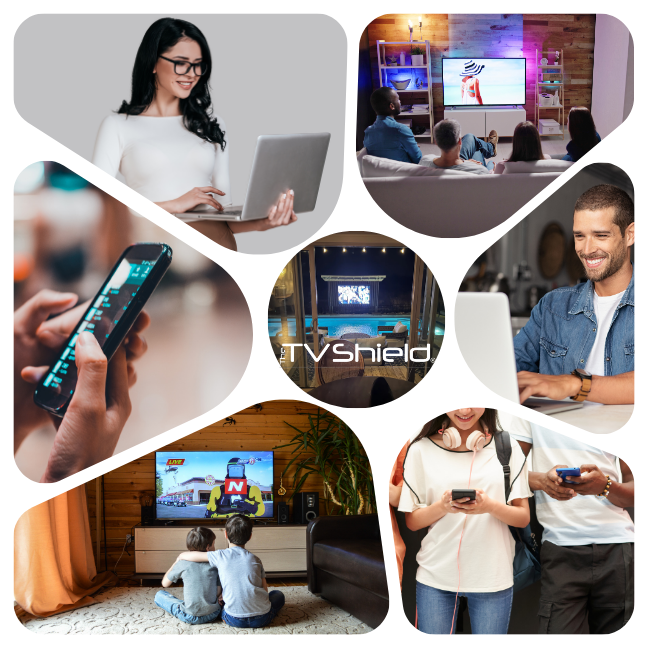
Now consider the biggest screen in your home. Your television may cost hundreds or even thousands of dollars, yet most people bring it home, install it, and leave it completely exposed. If the TV is in a partially or fully outdoor space, or inside in an at-all precarious position, or if there are known risk factors in the home, that TV could be vulnerable. We carefully protect the smaller devices we carry around every day, but we often overlook the large, expensive screen that has become the centre of our entertainment space.
So why do we protect our phones, tablets, and laptops but not our TVs? The answer comes down to perception. We expect portable devices to face risks because they travel with us, but televisions feel safe because they stay in one place. The reality is that your TV is still a valuable piece of technology, and protecting it may deserve the same consideration as any other major investment in your home.
Table of Contents
- Protection Has Become Part of Buying Technology
- Why Phones Get Protection But TVs Often Don’t
- Your TV Is No Longer “Just a TV”
- The Strange Disconnect Between Value and Protection
- A New Way to Think About TV Ownership
- How The TV Shield Helps Protect Your Investment
- FAQs
Protection Has Become Part of Buying Technology
Protective accessories have become so common that many people barely think twice about them. Buying a new phone often means immediately searching for a case, finding a tempered glass screen protector, and making sure the device is protected before it leaves the store.

This behavior makes sense because smartphones are constantly exposed to potential damage. They are carried in pockets, bags, and hands. They are placed on tables, taken outdoors, used while travelling, and handled hundreds of times each day. Manufacturers understand this behavior too. Many technology companies sell official protective accessories alongside their devices because they know customers want to preserve their investment.
|
Common Protection |
|
|
Smartphone |
Protective case and screen protector |
|
Tablet |
Protective cover and screen protection |
|
Laptop |
Protective sleeve or carrying case |
|
Smartwatch |
Screen protector |
|
Television |
Often no additional protection |
The interesting thing is that televisions are often the exception. While we have accepted protection as part of owning smaller devices, we have not developed the same habit with our TVs. This is surprising when you consider the value of many modern televisions. A premium smartphone might cost $1,000, but a large OLED, QLED, or home theater television, especially a smart one with bells and whistles, can easily cost several times that amount.
Why Phones Get Protection But TVs Often Don’t
The biggest reason people protect phones but not TVs comes down to how we think about risk. A smartphone feels vulnerable because it moves around with us. We know there is a chance it could be dropped, knocked off a surface, or damaged during everyday use.
A television feels different because it is stationary. Once it is mounted on a wall or placed on an entertainment unit, many homeowners mentally consider the risk to be gone. The TV is not travelling, so it feels like it no longer needs protection.
But staying in one place does not make a device automatically safe. Your TV is still exposed to everyday life inside your home, including accidental bumps, moving furniture, children playing, pets jumping around, spills, and the general activity that happens in busy households. And unprotected TVs placed in partial or full outdoor settings are even more at risk.
The difference is that we tend to notice risks when they involve something we physically carry. A phone falling from your hand feels like an obvious threat. A television sitting safely in your living room does not create the same sense of urgency. This creates a strange situation where we often protect the devices most likely to be replaced but overlook the device that may represent a much larger financial investment.
Your TV Is No Longer “Just a TV”
For many years, a television was simply a screen used to watch broadcast channels. If something happened to it, replacing it was mostly about buying a new way to watch shows and movies. Modern televisions are very different. Today’s TVs are entertainment hubs that connect streaming services, gaming consoles, sound systems, smart home technology, and other devices. They are where families gather for movie nights, where people watch live sports, where gamers spend hours playing, and where many homeowners create their ideal entertainment spaces.
A premium television is no longer just another appliance. It is a central part of how many households spend their free time. This is why protecting your TV makes more sense than ever. When your television is damaged, you are not only replacing a piece of hardware. You are replacing an important part of your home entertainment experience. For homeowners who have invested in a large screen, premium picture quality, and a carefully designed entertainment setup, protecting that investment should be part of the ownership experience.
The Strange Disconnect Between Value and Protection
One of the biggest questions around TV protection is simple: why do we spend money protecting cheaper devices but hesitate to protect more expensive ones? A person might happily spend $50 on a phone case and another $30 on a screen protector for a device worth $800. That same person may hesitate to spend anything protecting a television worth $2,000, $3,000, or more.
The reason is not that people value their televisions less. In many cases, it is simply because protection has not become part of the normal buying process. When someone buys a car, they think about insurance, maintenance, and protection from the beginning. When someone buys a home, they consider security systems, warranties, and preventative maintenance. Protecting valuable possessions is something we already do in many areas of life. Televisions deserve the same consideration.
|
Common Protection Approach |
|
|
Vehicle |
Insurance, maintenance, security features |
|
Home |
Locks, alarms, repairs, preventative care |
|
Smartphone |
Case and screen protector |
|
Television |
Often left unprotected or with low-protection warranties |
The goal of protection is not to assume something will go wrong. It is about being prepared and preserving something valuable for longer.
A New Way to Think About TV Ownership
Protecting your TV requires a small shift in mindset. Instead of seeing protection as something you add after a problem occurs, it should be viewed as part of owning valuable technology.
Nobody buys a collectible item and leaves it exposed to unnecessary risks. Nobody purchases expensive furniture and ignores basic care. Nobody invests in a vehicle and expects it to last without maintenance. Your television is no different.
A protective solution provides peace of mind because it helps safeguard something you have already invested in. It allows you to enjoy your entertainment space without constantly worrying about what could happen to one of the most important pieces of technology in your home. The purpose of protection is simple: keep your valuable equipment looking and performing its best for as long as possible.
How The TV Shield Helps Protect Your Investment
Modern televisions deliver incredible picture quality and immersive entertainment experiences, but they are still valuable electronic devices that deserve protection. The TV Shield provides homeowners with a practical way to add an extra layer of protection around their televisions. Instead of treating protection as an afterthought, homeowners can take a proactive approach to safeguarding their entertainment investment.
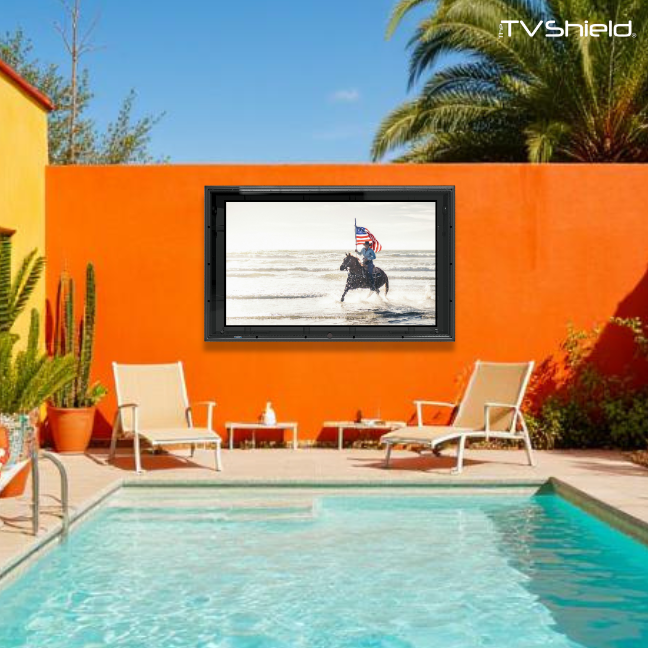
Whether your TV is installed in a family room, entertainment area, on your patio by the pool, or another space where it is part of everyday life, adding protection helps provide confidence that your screen is better prepared for the unexpected. The TV Shield and The TV Shield PRO are designed to help protect televisions while allowing homeowners to continue enjoying the viewing experience they invested in. It is a simple reminder that the biggest screen in your home deserves the same care and attention as the smaller devices you protect every day. After all, if we protect the phone we carry everywhere, it makes sense to protect the TV we enjoy at home.
FAQs
Why do people protect phones but not TVs?
Phones are protected more often because they are portable and exposed to frequent handling. Since televisions stay in one place, many people assume they are safer, even though they are often much more expensive.
Are modern TVs more vulnerable than older televisions?
Many modern TVs are thinner, larger, and built with advanced display technology. While they offer better picture quality and features, their slim designs mean they require careful handling and protection.
Is a television worth protecting?
For many homeowners, yes. Premium televisions can represent a significant investment, and protecting them can help preserve their value and extend their usable lifespan.
Why do manufacturers sell phone protection but not always TV protection?
Portable devices are expected to need accessories because they are constantly moved and handled. Television protection is a less established category, even though TVs are valuable technology products.
What types of damage can affect a home TV?
Televisions can be affected by accidental impacts, household activity, dust, spills, environmental conditions, and other everyday situations. Protection helps reduce the risk of unexpected damage.
Does The TV Shield affect the viewing experience?
The TV Shield is designed to protect televisions while allowing homeowners to continue enjoying their screens as intended. Clear and anti-glare front shields are available. It provides protection without changing the purpose of the television.