

Here’s Why Summer is the Most Dangerous Time for Your TV
Posted by Emilyann Allen on 29th Jul 2026
Here’s Why Summer is The Most Dangerous Time for Your TV | The TV Shield
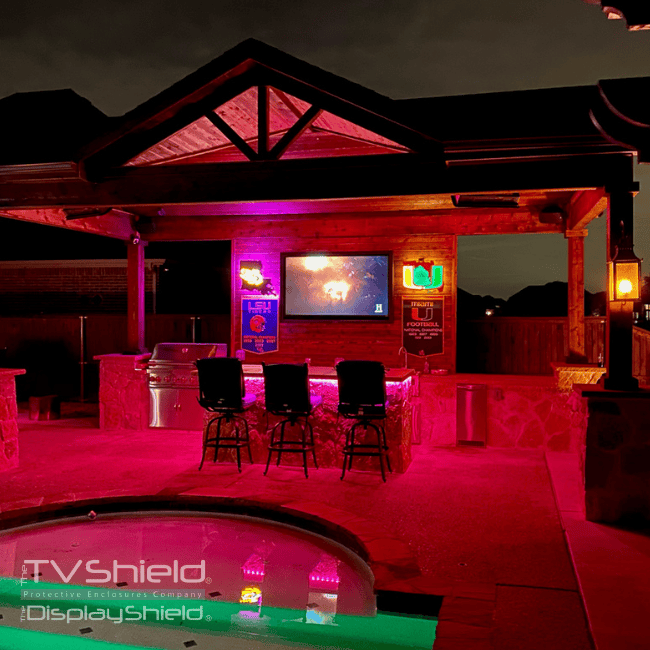
For most of us, summer is the season we spend the most time enjoying our homes. Kids are out of school, friends stop by for cookouts, vacations are planned, and long evenings often end with a movie or your favorite show on the big screen.
It’s also one of the busiest times of the year for home improvement projects, moving house, and upgrading living spaces. What many homeowners don't realize is that all of these seasonal changes can put their television at greater risk. It's not just the extra people moving through your home. Summer also brings higher temperatures, increased humidity in many parts of the country, more dust from open windows and renovation projects, and plenty of opportunities for accidental bumps and knocks.
On their own, none of these things are likely to ruin your TV. Together, though, they create the perfect conditions for damage that many homeowners never see coming. Here's why summer can be the most dangerous season for your television and how a little preparation can help you avoid an expensive mistake.
Table of Contents
- Summer Changes More than Just the Weather
- More People Means More Risk
- Summer Projects Can Put Your TV in Harm's Way
- Bigger TVs Create Bigger Problems
- The Hidden Danger of Summer Moves
- Why One Accident Can Be So Expensive
- Simple Ways to Protect Your TV This Summer
- FAQs
Summer Changes More than Just the Weather
Summer doesn't just change what's happening outside your home. It changes what happens inside it too.
The obvious changes are easy to spot. Kids are home from school, family members spend more time together, guests visit more often, and furniture gets moved around for parties or overnight visitors.

Less obvious are the environmental changes. In many parts of the United States, summer also means higher humidity, warmer indoor temperatures, and more dust and pollen finding their way inside. While modern TVs are built for everyday household use, electronics generally perform best in stable, climate-controlled environments.
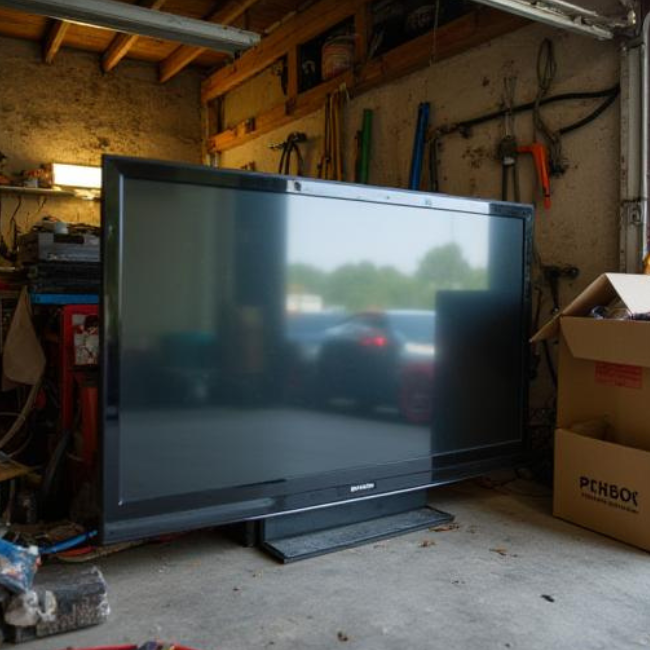
If you've ever moved a television into a hot garage while unpacking, stored it in a basement during a renovation, or left it sitting in a room without air conditioning for several days, you've exposed it to conditions that are less than ideal. Humidity can contribute TV failure, and it can contribute to condensation when electronics experience sudden temperature changes. Moisture, dust, and heat also tend to go hand in hand during the summer months, creating an environment that's tougher on electronics than many homeowners realize.
Then there's the human factor.
A backpack brushing against the screen, a ladder leaning a little too close, or someone carrying patio furniture through the living room can all turn an ordinary summer day into an expensive one.
Summer doesn't create entirely new risks. It simply brings more of them together at the same time.
More People Means More Risk
Most damaged TVs aren't the result of dramatic accidents. They're usually caused by everyday moments that nobody expects.
The more people moving around your home, the more likely those moments become.
|
Potential Risk to Your TV |
|
|
Family gatherings |
Children playing near entertainment areas |
|
Backyard barbecues |
Guests moving furniture indoors and outdoors |
|
Sleepovers |
Increased activity around living rooms and game spaces |
|
Summer vacations |
Packing and unpacking luggage near the TV |
|
Kids home from school |
More hours of daily use and household movement |
|
Holiday celebrations |
Decorations, coolers, and extra furniture moving through the house |
None of these situations seem particularly dangerous. That's exactly why they're easy to overlook. Most homeowners don't think about protecting their TV during a Fourth of July barbecue or while hosting relatives for the weekend.
Yet these everyday moments often lead to accidental bumps, scratches, or impacts.
Summer Projects Can Put Your TV in Harm's Way
Summer is prime time for home improvement. Whether you're painting the living room, replacing flooring, installing new windows, or finally tackling that renovation you've been putting off, your TV often ends up sitting in the middle of the action.
Even smaller summer DIY projects introduce ladders, tools, drop cloths, furniture, and building materials into spaces that are normally calm and organized. One of the most common mistakes homeowners make is moving the TV out of the way and leaning it against a wall until the project is finished.
It feels like the safest option. In reality, it's one of the riskiest. A television resting on the floor is much easier to bump while carrying supplies or moving furniture around the room. Until the project is complete, your TV may actually be safer packed away than sitting in a temporary location.
Bigger TVs Create Bigger Problems
Televisions have changed dramatically over the last decade. What used to be considered a large screen is now fairly standard. Today, it's common to find 65-inch, 75-inch, or even 85-inch TVs in family living rooms. Larger screens offer an incredible viewing experience. They also come with a larger surface area that's exposed to accidental contact.
|
Added Risk |
|
|
More immersive viewing |
Larger screen exposed to impacts |
|
Slim modern design |
Thinner display panels can be more delicate |
|
Wall-mounted setup |
More difficult to move safely during projects |
|
Family entertainment hub |
Increased traffic around the screen |
|
Premium purchase |
More expensive to replace if damaged |
A television doesn't have to fall off the wall to be damaged.
Sometimes a simple knock against the edge of the screen is enough to cause a crack that can't be repaired economically.
The Hidden Danger of Summer Moves
Summer remains America's busiest moving season.
Families often relocate while school is out, making July one of the most popular months to buy and sell homes. Most homeowners spend a lot of time protecting their TV during the move itself. Ironically, that's often not when damage happens. The real danger comes after you've arrived. Boxes fill every room. Furniture gets assembled. Pictures are hung. Rooms are rearranged several times before everything feels right.
During those first few weeks, televisions are often carried from room to room or left in temporary positions while homeowners decide where they belong. Every move creates another opportunity for an accidental impact.
Simple Ways to Protect Your TV This Summer
The good news is that most summer TV accidents can be avoided with a little planning.
Keep Busy Areas Clear
Avoid stacking boxes, coolers, or temporary furniture near your entertainment center. A clear walkway makes accidental bumps far less likely.
Avoid Extreme Heat and Humidity
If possible, don't leave your television in a garage, shed, or other non-climate-controlled space during hot summer weather. Stable indoor temperatures are much better for electronics.
Wait Until the Room is Finished
If you're renovating or moving, try to finalize the furniture layout before mounting or positioning the TV permanently.
Never Store a TV Leaning Against a Wall
It may seem convenient, but it's one of the easiest ways for accidental damage to occur.
Add an Extra Layer of Protection
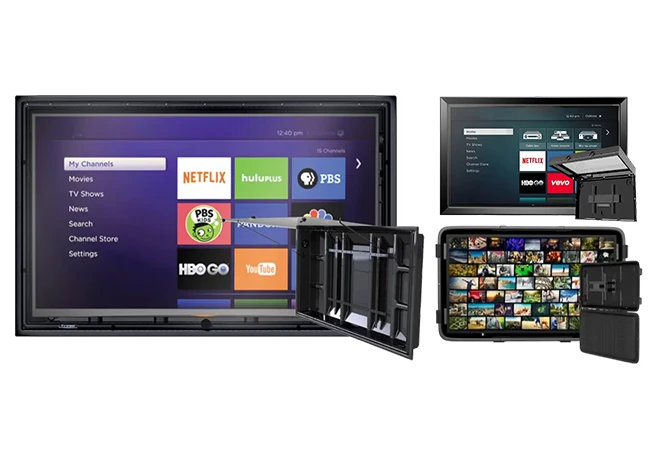
Even careful homeowners can't prevent every accident. Many families choose to install a protective TV enclosure to help guard against accidental impacts, scratches, and everyday wear, especially on larger or premium televisions.
If you'd like extra peace of mind, take a look at The TV Shield to see how we can help protect one of the most valuable electronics in your home.
Grab Your Perfect Outdoor TV Enclosure Today
.png "Shop for The TV Shield")
FAQs
Why is summer harder on televisions?
Summer brings more household activity, home improvement projects, moving, higher temperatures, increased humidity in many regions, and more opportunities for accidental damage.
Can humidity damage a TV?
Normal indoor humidity isn't usually a problem, but prolonged exposure to damp or non-climate-controlled environments can expose electronics to excess moisture and condensation.
Is it safe to store a TV in a garage during the summer?
It's best to avoid storing televisions in hot or humid garages for extended periods, especially if temperatures fluctuate significantly.
Are larger TVs more likely to be damaged?
Because they're larger and thinner than older models, modern TVs can be more vulnerable to accidental impacts during moves, renovations, or busy family gatherings.
What's the easiest way to protect a TV during the summer?
Keeping it in a climate-controlled room, avoiding unnecessary handling, and using a quality TV protector are all simple ways to reduce the risk of accidental damage.