

8 Industries That Rely on Weatherproof TV Enclosures
Posted by Emilyann Allen on 31st Mar 2026
8 Industries That Rely On Weatherproof TV Enclosures | The TV Shield
Digital displays have become essential tools for communication across many industries. Businesses and organizations use televisions to share information, display announcements, broadcast live events, and deliver training content.

But many environments where these displays are needed most are also the places where traditional TVs struggle to survive. Rain, dust, direct sunlight, temperature swings, and accidental impacts can quickly damage an unprotected screen.
Weatherproof TV enclosures solve this problem by protecting televisions from environmental hazards while keeping displays visible and fully functional.
Across the United States, industries ranging from restaurants and public parks to manufacturing facilities are using protected outdoor TVs to improve entertainment, communication, and engagement. Below are eight sectors where outdoor TV cabinets have become especially valuable.
Table of Contents
- Why Weatherproof TV Enclosures Matter
- Public Parks & Recreation Areas
- Sports Stadiums & Fitness Facilities
- Restaurants & Food Trucks
- Construction Sites
- Government Buildings & Public Facilities
- Military Bases & Training Grounds
- Farms & Mining Operations
- Manufacturing Facilities & Warehouses
- FAQs
Why Weatherproof TV Enclosures Matter
Outdoor and industrial environments present several risks to electronic displays. Even covered areas like loading docks, stadium concourses, or outdoor dining patios expose TVs to elements they weren’t designed to handle.
|
Environmental Risk |
Potential Impact on TVs |
|
Rain and moisture |
Internal electrical damage |
|
Dust and debris |
Reduced performance or overheating |
|
Extreme heat or cold |
Shortened device lifespan |
|
Sun exposure |
Screen glare and overheating |
|
Accidental impacts |
Cracked screens or internal damage |
Weatherproof enclosures protect against these threats while allowing organizations to install screens in locations that would otherwise be impractical.
1. Public Parks and Recreation Areas
Parks and recreation departments increasingly rely on digital displays to communicate with visitors and support community events.
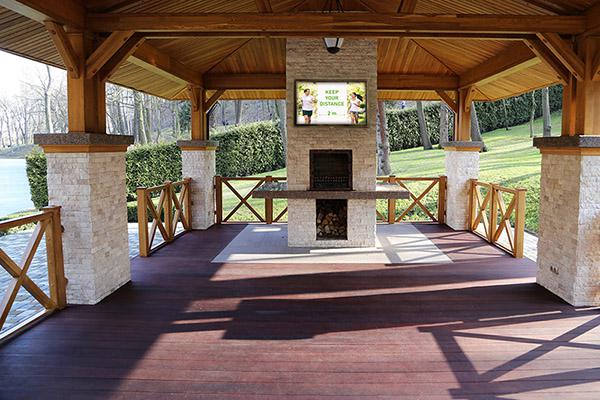
Outdoor screens are often used at amphitheaters, sports fields, and visitor centers where they can display event schedules, park maps, nature guides, and community announcements.
Because these locations are exposed to weather year-round, installing a TV without protection is rarely practical. A weatherproof enclosure allows the screen to remain outdoors permanently while protecting it from rain, temperature swings, and vandalism.
Many municipalities also use outdoor displays during festivals or public gatherings, where reliable communication is essential.
2. Sports Stadiums and Fitness Facilities
Sports venues depend heavily on digital displays to enhance the fan experience. Beyond the main scoreboard screens, many stadiums use televisions throughout concourses, training areas, and hospitality zones.
These displays often broadcast live game footage, player statistics, promotional content, and event updates.
Outdoor or semi-outdoor locations expose these TVs to changing weather conditions and heavy foot traffic.
|
Common Stadium TV Locations |
Why Protection Is Needed |
|
Concourse areas |
Constant foot traffic and accidental bumps |
|
Outdoor bars or lounges |
Exposure to weather and spills |
|
Training facilities |
Dust, sweat, and equipment impacts |
|
Entrance areas |
Direct sunlight and temperature changes |
Weatherproof TV cabinets allow stadium operators to safely install displays in these areas without worrying about weather damage or screen breakage.
3. Restaurants and Food Trucks
Outdoor dining has become a staple across the United States, with many restaurants expanding patios, rooftop spaces, and sidewalk seating.
Televisions help create an immersive atmosphere in these spaces, especially when broadcasting sports or entertainment.
But outdoor restaurant environments present unique challenges. Weather changes, cooking smoke, grease, and constant cleaning all create conditions that standard televisions are not built to handle.
For food trucks and mobile vendors, the situation is even more demanding. Screens used for digital menus or promotional displays must withstand movement, dust, and unpredictable weather.
Outdoor TV enclosures make it possible for restaurants to safely operate TVs outdoors while maintaining a professional appearance.
4. Construction Sites
Construction environments are among the harshest settings for electronic equipment.
Dust, vibration, heavy machinery, and changing weather conditions create a challenging environment for unprotected screens.
Yet construction companies increasingly use digital displays to improve safety and coordination.
Outdoor televisions on job sites can be used to display safety briefings, daily work schedules, and project updates.
|
Construction Use |
Benefit |
|
Safety briefings |
Reinforces compliance and hazard awareness |
|
Work schedules |
Improves coordination between crews |
|
Training videos |
Supports consistent safety training |
|
Site maps |
Helps new workers navigate large projects |
By installing TVs inside protective enclosures, construction managers can provide visual communication tools without worrying about equipment damage.
5. Government Buildings and Public Facilities
Government agencies often need to share information with the public in spaces that extend beyond indoor waiting areas.
Outdoor displays can help communicate important updates at locations such as courthouses, city halls, post offices, visitor centers, and other public service buildings.
These screens may display announcements, service updates, event schedules, or public safety alerts.
In many cases, these screens are placed in high-traffic entry areas or outdoor spaces where they are exposed to weather and potential tampering. Weatherproof enclosures provide both environmental protection and physical security.
6. Military Bases and Training Grounds
Military facilities operate in demanding environments where reliability is critical.
Outdoor displays can support training exercises, operational briefings, and base-wide communication. In some cases, televisions are used in staging areas or training zones where environmental exposure is unavoidable.
Unlike office settings, these locations may involve dust, equipment movement, and extreme weather.
TV enclosures help ensure screens remain functional during training activities or operational planning sessions.
7. Farms and Mining Operations
Agricultural and mining environments often operate far from traditional office infrastructure.
Digital displays can play an important role in sharing operational information, weather updates, and equipment monitoring data.
Mining sites in particular present harsh conditions for electronics. Dust, vibration, and temperature fluctuations are common, and equipment must be able to withstand constant activity.
Farm operations also benefit from outdoor displays that help coordinate teams during planting, harvesting, or equipment maintenance.
Protective enclosures allow televisions to function reliably in these environments where ordinary electronics would fail quickly.
8. Manufacturing Facilities and Warehouses
Manufacturing plants and warehouses are increasingly using digital displays to improve operational visibility.
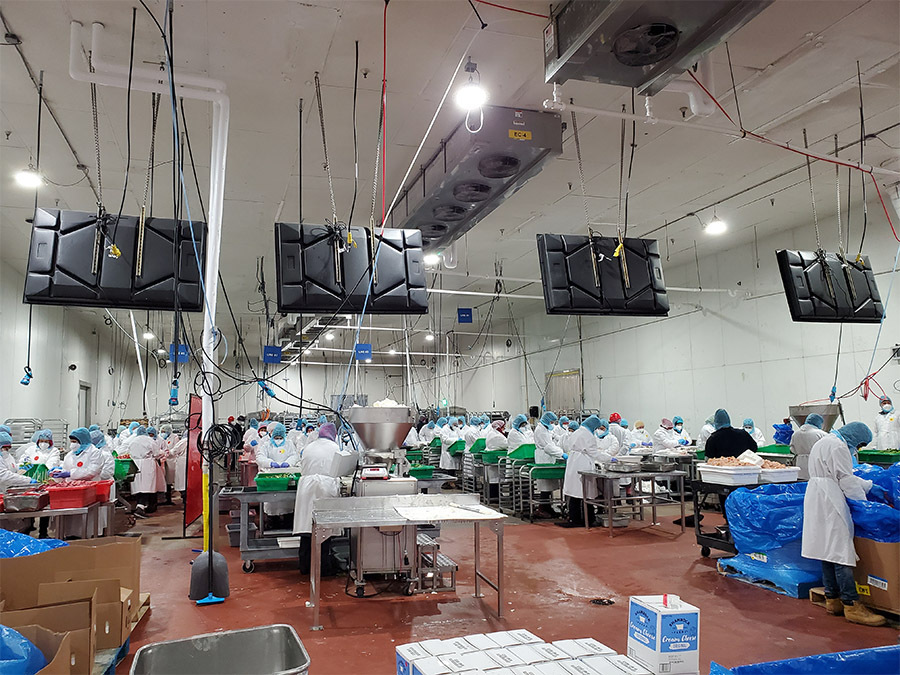
Large screens can help communicate production goals, safety reminders, and logistics updates to employees working across large facilities.
Many warehouses also have outdoor loading docks or yard areas where weather exposure is unavoidable.
|
Industrial Environment |
Challenge for TVs |
|
Loading docks |
Temperature changes and moisture |
|
Warehouse yards |
Dust and debris |
|
Equipment areas |
Risk of accidental impacts |
|
Production floors |
Continuous vibration and activity |
Installing displays inside weatherproof enclosures allows facilities to use visual communication tools without worrying about environmental damage.
Solutions like The Display Shield are specifically designed to help protect screens in these demanding environments.
FAQs
How do parks and municipalities protect outdoor TVs from vandalism?
Public installations often use enclosures with impact-resistant front panels and lockable access doors. This combination helps protect the screen from accidental damage and discourages tampering in high-traffic areas.
Can outdoor TV enclosures handle extreme heat in southern U.S. climates?
Yes. Many weatherproof enclosures are designed to manage heat through ventilation or cooling systems, allowing TVs to operate safely even during hot summer conditions.
Are weatherproof TV enclosures useful in covered outdoor spaces?
Absolutely. Covered patios, stadium concourses, and loading docks still expose TVs to humidity, dust, and temperature changes. Enclosures provide an extra layer of protection in these semi-outdoor environments.
Why do construction companies use TVs on job sites?
Large displays can make it easier to deliver safety training, daily briefings, and project updates to multiple workers at once. Visual communication tools help improve awareness and reduce misunderstandings.
What makes mining environments difficult for electronic displays?
Mining sites generate large amounts of dust, vibration, and heavy equipment movement, all of which can quickly damage unprotected screens. Protective enclosures help keep displays operational despite these conditions.
Can weatherproof enclosures help extend the lifespan of a TV?
Yes. By protecting against moisture, debris, and temperature fluctuations, enclosures significantly reduce the environmental stress that often causes outdoor electronics to fail prematurely.